Living in Springfield NJ: What Daily Life Is Really Like
July 9, 2026
July 9, 2026
Wondering whether Springfield, NJ feels like the right fit for your next move? If you want a suburban town with larger homes, a strong owner-occupied feel, and practical access to nearby job centers, Springfield is worth a closer look. Here’s what daily life, housing, and commuting really look like so you can decide whether this Union County community matches your goals. Let’s dive in.
Springfield is a compact township in Union County with an estimated 18,342 residents in 2025, all within about 5.16 square miles. That gives it a settled, neighborhood-oriented feel rather than a sprawling suburban layout.
It reads as an established North Jersey suburb with a stable residential character. The data also points to a professional suburban profile, with a median household income of $155,906 and 65.8% of adults holding a bachelor’s degree or higher.
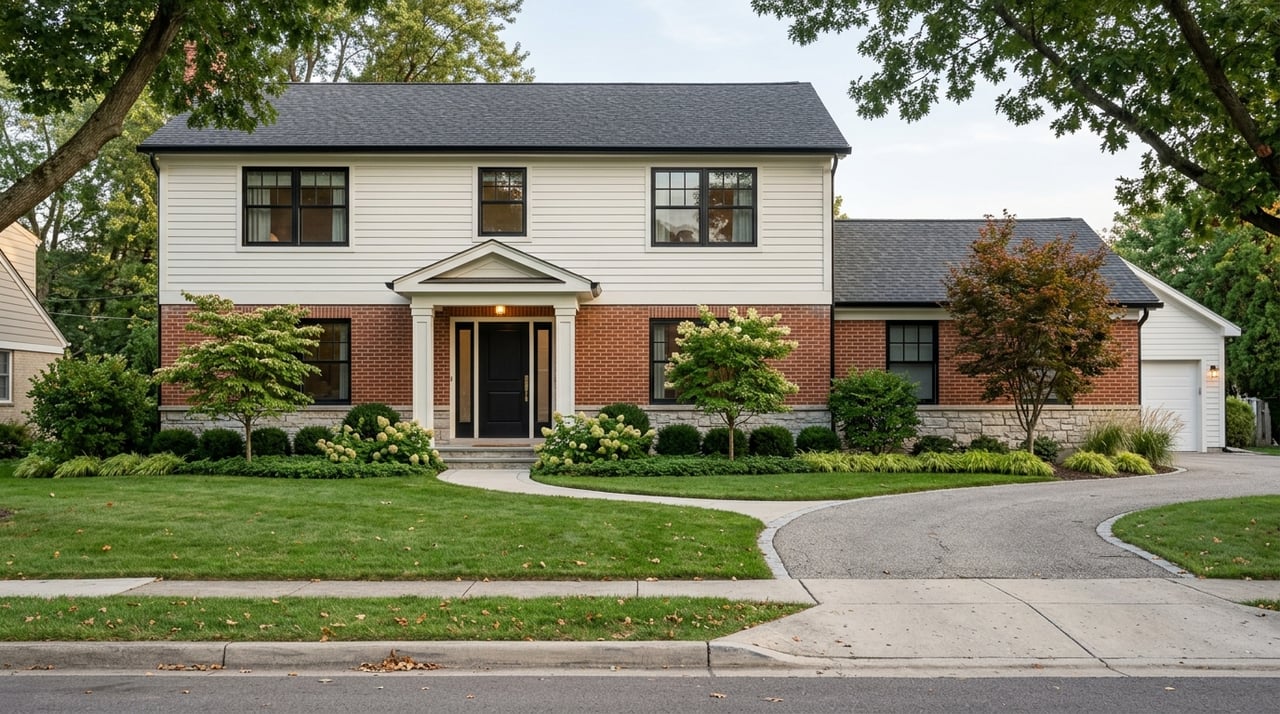
If you picture mid-century suburban homes on residential streets, Springfield fits that image well. The township is described in its 2025 housing plan as a substantially developed community, which helps explain why much of the housing stock reflects earlier postwar growth.
About 30.0% of homes were built in the 1950s, and another 18.1% were built in the 1960s. By comparison, only 4.4% of homes were built in the 2010s, so newer construction exists but is a smaller part of the housing mix.
That matters if you are house hunting. In Springfield, you are more likely to see established homes with traditional layouts, mature lots, and the kinds of neighborhood settings many buyers look for when moving from a denser area.
One of Springfield’s most noticeable traits is home size. About 32.1% of housing units have 8 or more rooms, and another 26.9% have 6 or 7 rooms.
That is a meaningful difference from Union County overall, where 23.8% of units have 8 or more rooms. For buyers, that can translate into more flexibility for home offices, guest space, playrooms, or multigenerational living arrangements.
For sellers, it also reinforces Springfield’s appeal to buyers who want room to spread out without leaving the inner North Jersey suburban market. Space is one of the town’s clearer value points.
Springfield has a 66.8% owner-occupancy rate, which supports its neighborhood-based, rooted feel. It also has a 4% vacancy rate, which suggests a relatively established housing environment rather than a market defined by heavy turnover.
There is still a meaningful rental presence, but Springfield does not come across as a dense apartment-first town. Instead, it feels more like a traditional suburban community with a mix of ownership and rental options.
Springfield’s housing costs sit above the broader county benchmarks. The median value of owner-occupied homes is $636,600, compared with $529,200 in Union County.
The local value distribution helps paint an even clearer picture. About 58.6% of owner-occupied homes are valued between $500,000 and $999,999, while 34.0% fall between $300,000 and $499,999.
For buyers, that means Springfield often appeals to people shopping in the upper-midmarket suburban range. For homeowners thinking about selling, it supports the idea that Springfield is a town where pricing strategy and presentation matter, especially because buyers are often comparing space, condition, and updates closely.
Springfield’s lifestyle is more about practical community amenities than big-city bustle. You are not moving here for a dense downtown experience. You are moving here for a residential setting with useful local gathering spots and seasonal recreation.
One standout is the Springfield Community Pool at 44 Morrison Road. The township notes that the clubhouse was reconstructed in 2018, the pool typically operates from Memorial Day weekend through Labor Day, and in 2022 it had 685 memberships plus 1,013 daily guest visits.
That kind of usage says a lot about how people spend summer in town. It points to a real community asset, not just a facility on paper.
Springfield also offers smaller-scale amenities that shape everyday life. The Springfield Farmers Market takes place on Mountain Avenue in front of the Springfield Public Library, giving residents a recurring local stop that feels tied to the township’s civic core.
There are also community gardens at Wabeno Avenue and the Chisholm Recreation Center, along with pollinator garden work at Meisel Park. Together, these details suggest a town with visible civic involvement and a steady, local rhythm.
If you like the idea of community life showing up in simple, usable ways, Springfield checks that box. It is less about spectacle and more about consistency.
Springfield’s commute pattern is practical and bus-oriented. The average commute to work is 28.0 minutes, which fits well with its profile as a commuter suburb tied to nearby employment centers.
For many buyers, one of Springfield’s advantages is that you can get around the region without building your entire routine around one train line or station. That flexibility can matter if your workdays vary or if your household has different commuting needs.
NJ Transit Route 52 serves Morris Avenue stops in Springfield and runs via Kean University. Route 70 serves Springfield on the Newark to Livingston Mall line.
Route 114 stops at Mountain Avenue and Morris Avenue and runs between Bridgewater and New York City, including express trips via the Garden State Parkway and I-78. In everyday terms, that gives residents workable access to Newark, Livingston, and New York City.
For some households, that bus-led access is a real plus. It can support commuting while still letting you prioritize home size, neighborhood feel, and suburban pace.
Springfield can be a strong fit if you want an established suburban setting with larger homes and a local, residential feel. It may especially appeal to buyers moving from a denser part of North Jersey or from a New York City-linked lifestyle who want more space without stepping too far from regional access.
It can also make sense for move-up buyers, downsizers who still want a suburban base, and sellers whose homes offer the room and layout many buyers are actively seeking. Because the town is largely built out, a lot of the appeal comes from established streets, mature housing stock, and a lived-in community feel.
Like any town, Springfield is about fit. If you want a transit-first lifestyle centered on rail access and dense walkable commercial districts, this may not be the exact suburban model you are after.
But if you want a mostly owner-occupied community with classic postwar homes, solid local amenities, and practical bus access to key North Jersey and New York City destinations, Springfield offers a lot to like. Its combination of space, stability, and convenience is what stands out most.
If you are considering a move to Springfield, it helps to look beyond price alone and think about how you want your daily life to feel. The right home in the right town is about more than bedrooms and bathrooms. It is about finding the setting that supports your next chapter with clarity and confidence.
If you are thinking about buying or selling in Springfield or nearby Northern New Jersey towns, Susan Kruger can help you make sense of the market and plan your next move with steady, local guidance.
Stay up to date on the latest real estate trends.
Helping clients achieve their ideal living space while providing personalized, attentive service that makes every step enjoyable.